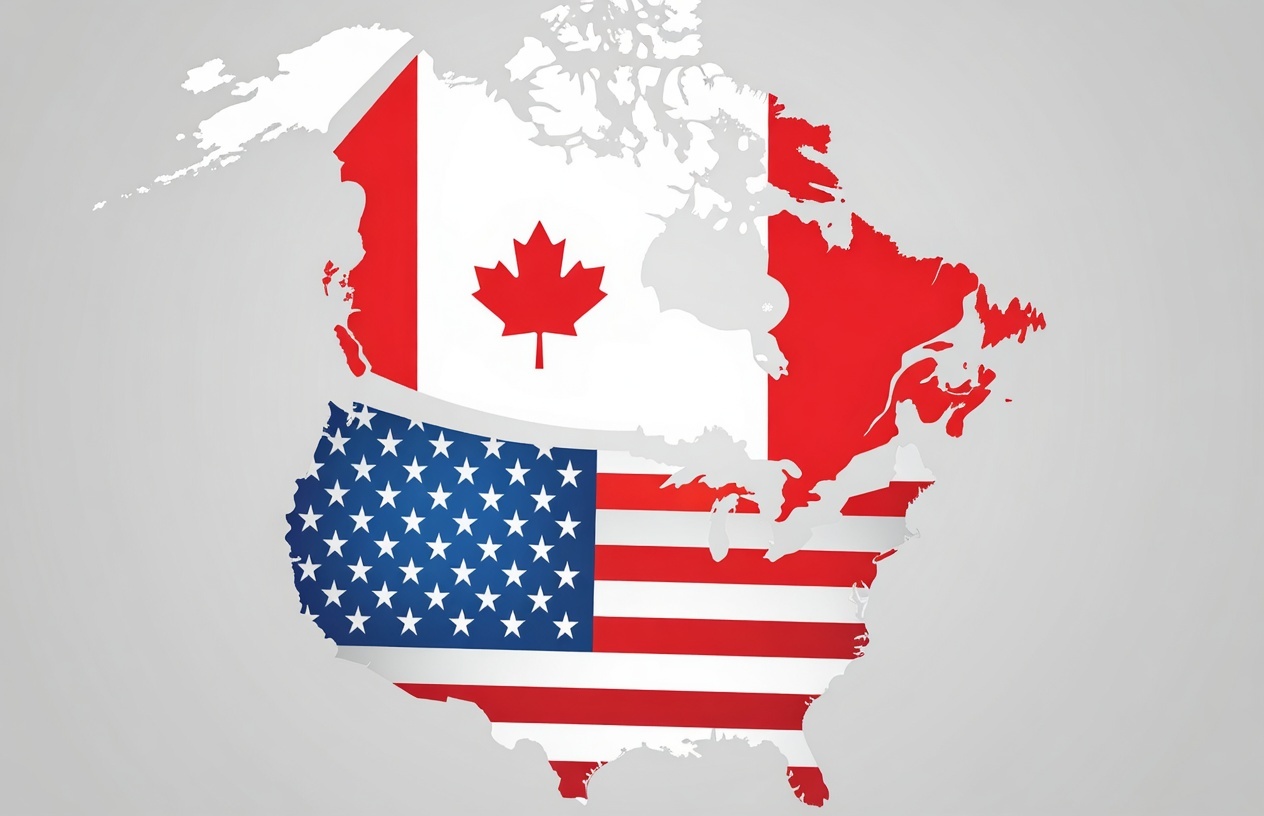
The trade relationship between Canada and the United States has undergone significant changes since early 2025. For Canadians, understanding these shifts is essential for making informed decisions about personal finances, careers, and business planning. This article provides a balanced overview of the current situation and what experts predict for the months ahead.
Current State of Trade Relations
Canada and the United States have historically maintained one of the world's largest bilateral trade relationships, with approximately $761 billion in annual trade between the two nations. This relationship has been governed by various agreements, most recently the Canada-United States-Mexico Agreement (CUSMA/USMCA), which replaced NAFTA in 2020.
Beginning in early 2025, new tariffs were introduced on various goods crossing the border. These measures have affected multiple sectors of the Canadian economy, from manufacturing and natural resources to agriculture and services.
Key Sectors Affected
Steel and Aluminum
The metals sector has experienced substantial changes. Steel and aluminum tariffs have impacted thousands of jobs across Canada, particularly in Ontario and Quebec. Companies in these sectors have faced increased costs and uncertainty in their supply chains.
Automotive Industry
The automotive sector, with its highly integrated cross-border supply chains, has needed to adapt quickly. Many auto parts cross the border multiple times during the manufacturing process, making this industry particularly sensitive to tariff changes.
Energy and Natural Resources
Canada's energy exports to the United States, including oil and natural gas, have faced various tariff levels throughout 2025. This sector represents a significant portion of Canada's export economy.
Softwood Lumber
The forestry industry, especially in British Columbia, has seen declining exports. Data shows BC softwood lumber exports declined by approximately 9.5% in the first eight months of 2025 compared to the same period in 2024.
Agriculture and Food Products
Agricultural producers have encountered challenges with market access and increased costs, though many products remain compliant with existing trade agreements.
Economic Impact on Canadians
Employment and Job Market
The trade situation has affected employment in several ways. Some companies have reduced hiring or implemented layoffs, particularly in export-dependent sectors. However, the federal government has introduced support programs, including enhanced Employment Insurance benefits and work-sharing programs for affected workers.
Despite these challenges, Canada's unemployment rate has shown resilience. As of mid-2025, the job market remained relatively stable, though certain regions and industries experienced more significant impacts than others.
Prices and Cost of Living
Canadian consumers may see varying effects on prices. While some imported goods from the United States could become more expensive due to supply chain disruptions, many everyday items have remained relatively stable. Experts note that Canada's retaliatory tariff measures on certain US products could lead to price increases in specific categories.
Investment and Business Confidence
Business investment has faced headwinds due to uncertainty about future trade rules. Many companies have delayed expansion plans pending clearer trade policies. However, this has also created opportunities for businesses to explore new markets and diversify their customer base.
Government Response and Support Programs
Federal Initiatives
The Canadian government has implemented several measures to support affected industries and workers. These include financial support for strategic sectors like steel, aluminum, and softwood lumber, as well as programs to help businesses become compliant with trade agreements and explore alternative export markets.
Provincial Actions
Provinces have also taken steps to support their economies. Some have focused on procurement policies favoring Canadian suppliers, while others have invested in programs to help businesses adapt to changing trade conditions.
Diversification Efforts
A major focus has been on diversifying Canada's trade relationships. Canadian businesses have been expanding exports to Europe, Asia, and other regions. While these efforts have helped offset some losses, building new trading relationships takes time and investment.
What Economists Are Saying
Near-Term Outlook
Economic forecasters project modest growth for Canada in 2026, with GDP growth estimated at around 1.5%. This represents slower growth compared to previous years, reflecting the impact of trade uncertainties and the time needed for economic adjustments.
Potential Scenarios
Economists have outlined several possible paths forward. The baseline scenario assumes gradual resolution of trade issues through negotiations, particularly around the scheduled USMCA review in July 2026. Alternative scenarios range from more favorable outcomes with reduced tariffs to more challenging situations requiring further economic adaptation.
Long-Term Structural Changes
Beyond immediate trade issues, Canada faces broader economic transitions. These include adapting to technological changes like artificial intelligence, addressing productivity challenges, and managing demographic shifts. The current trade situation may accelerate some of these long-term adjustments.
Practical Steps for Canadians
For Individuals and Families
- Stay Informed: Keep up with reliable news sources about economic developments and government support programs
- Review Finances: Ensure emergency funds are adequate and consider diversifying investments
- Career Planning: Assess skills and consider training opportunities in growing sectors
- Support Canadian Businesses: Consider the "Buy Canadian" movement when shopping
- Be Flexible: Remain adaptable in career and financial planning
For Business Owners and Entrepreneurs
- Review Supply Chains: Assess exposure to cross-border trade and identify alternatives
- Ensure Trade Compliance: Verify that products meet CUSMA requirements to access tariff exemptions
- Explore New Markets: Research opportunities in Europe, Asia, and other regions
- Access Support Programs: Utilize government resources for affected businesses
- Plan for Different Scenarios: Develop strategies for various possible trade outcomes
- Invest in Productivity: Use this period to improve efficiency and competitiveness
For Workers in Affected Industries
- Know Your Rights: Understand employment protections and benefits available to you
- Explore Retraining: Consider skill development programs if your sector faces ongoing challenges
- Network: Maintain professional connections and explore opportunities in adjacent fields
- Access Resources: Connect with employment centers and worker support programs
The Path Forward
Upcoming Key Dates
The July 2026 USMCA review represents a crucial milestone for trade relations. Both countries are expected to engage in negotiations that could reshape the framework for North American trade. The outcome of these discussions will have significant implications for Canadian businesses and workers.
Reasons for Optimism
Despite current challenges, there are several positive factors to consider. Canada has a diverse, resilient economy with strong institutions and well-educated workforce. The government has demonstrated willingness to support affected sectors and workers. Many Canadian businesses have proven adaptable, finding new markets and adjusting strategies.
Additionally, the fundamental economic complementarity between Canada and the United States remains strong. Both economies benefit from integrated supply chains and mutual trade. History suggests that practical considerations often prevail in trade relationships.
Areas of Uncertainty
Significant uncertainties remain. Trade policy can shift quickly, and predicting specific outcomes is challenging. Economic forecasts must account for various scenarios. For individuals and businesses, maintaining flexibility and preparedness for different possibilities remains important.
Looking Beyond Trade
While trade relations dominate headlines, it's important to remember that Canada's economic health depends on many factors beyond the US relationship. Investments in infrastructure, education, technology, and innovation all play crucial roles in long-term prosperity.
The current situation may actually accelerate beneficial changes, such as increased productivity investment, greater trade diversification, and stronger domestic industries. Some economists view this as an opportunity for Canada to build a more balanced and resilient economic structure.
Maintaining Perspective
Trade tensions are concerning, and their impacts are real for affected Canadians. However, it's worth noting that Canada has successfully navigated economic challenges before. The country has weathered global recessions, commodity price fluctuations, and previous trade disputes.
During uncertain times, focusing on factors within personal control becomes particularly valuable. This includes maintaining strong personal finances, developing marketable skills, supporting local businesses, and staying informed about available resources and opportunities.
Key Takeaways
The trade situation between Canada and the United States continues to evolve, with significant implications for the Canadian economy. While challenges exist, particularly for certain sectors and regions, Canada has resources and resilience to navigate this period. By staying informed, accessing available support programs, and remaining adaptable, Canadians can better position themselves for whatever lies ahead. The coming months will be important for determining the longer-term trajectory of this relationship, with the July 2026 USMCA review representing a key milestone.